Aug 7,2026.
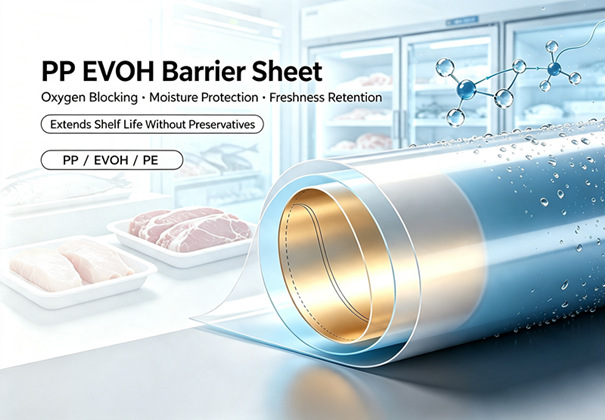
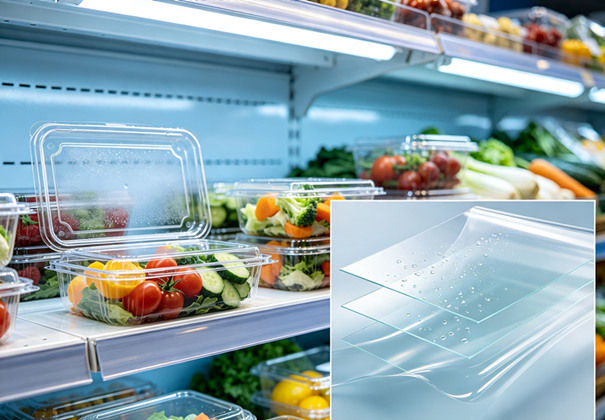
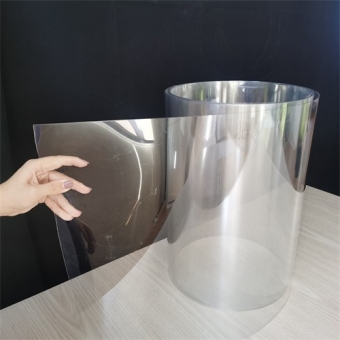
Cold chain logistics serve as the backbone of modern fresh food distribution, preserving the quality of delicate produce, meats, and prepared meals from farm to table. However, temperature fluctuations during transport, storage, and display often trigger a physical phenomenon known as the dew point. When warm, humid air inside a packaged container meets a cold shelf environment, water vapor rapidly condenses on the plastic lid. This process creates a dense layer of micro-droplets that completely blocks consumer visibility. Consequently, supermarket retailers face a silent display crisis where fresh food looks unappealing, directly reducing sales and increasing food waste. To solve this critical retail challenge, Professional Anti-fog APET Packaging Factories are deploying advanced material science to design transparent Amorophous Polyethylene Terephthalate (APET) packaging that remains crystal clear under extreme conditions. Q1: Why does cold-chain condensation do more than just impair product visibility on supermarket shelves? For supermarket retailers, product presentation dictates consumer purchasing decisions. When fresh strawberries, prepared salads, or premium cuts of beef remain hidden behind a fogged plastic barrier, customers quickly lose trust in the freshness of the item. However, the negative impact of cold-chain condensation extends far beyond simple aesthetics. From a thermodynamic perspective, untreated APET surfaces are naturally hydrophobic. When moisture accumulates on these surfaces, water molecules bead up into high-contact-angle droplets, typically exceeding 60 degrees. These microscopic spheres scatter light in multiple directions, which creates the opaque, white appearance commonly referred to as fog. Over time, these heavy water droplets grow too large and drip back down directly onto the food. For fresh-cut fruits and vegetables, this pooling of liquid water accelerates cellular breakdown and encourages rapid mold growth. For meats and seafood, dripping moisture degrades texture and creates a breeding ground for spoilage bacteria. Consequently, a seemingly harmless mist on a plastic container lid can shorten product shelf life by several days. In a high-volume retail environment, this degradation translates into higher discard rates, lower profit margins, and increased supply chain costs. Q2: How do professional manufacturers physically modify APET sheets to maintain a persistent, non-fogging surface in high-humidity environments? To prevent light scattering and moisture dripping, professional manufacturing plants must permanently alter the surface chemistry of the APET sheet. The ultimate goal is to transform the surface of the polymer from hydrophobic to highly hydrophilic. By reducing the water contact angle to less than 10 degrees, the material forces water droplets to flatten out instantly. Instead of forming light-scattering beads, the moisture spreads into an ultra-t...
View More



 IPv6 network supported
 fullstar@xmfullstar.com
 en
en ru
ru es
es