• Dual China-Malaysia Factory Strategy: Breaking Trade Barriers & Optimizing Global Export Tariff Benefits
    Sep 23,2026.

    Dual China-Malaysia Factory Strategy: Breaking Trade Barriers & Optimizing Global Export Tariff Benefits

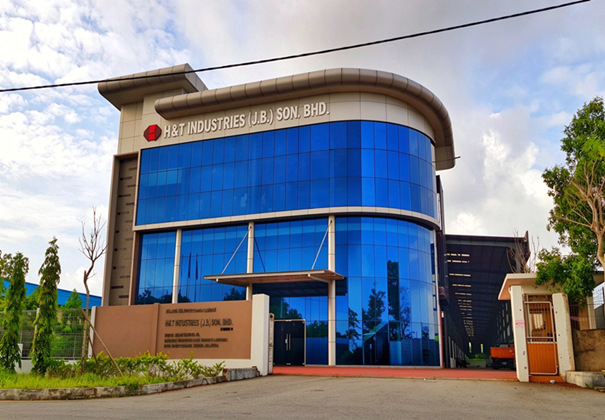
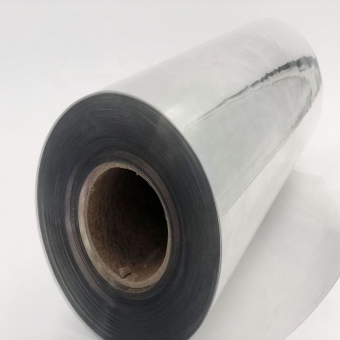
    Backed by 20+ years of specialized manufacturing experience, FULLSTAR is a leading producer of high-quality APET, PP and HIPS plastic sheets, PP synthetic paper, and custom plastic finished products. With a long-standing global market footprint, we have consistently delivered reliable, high-performance solutions for worldwide clients. Amid escalating global trade frictions, discriminatory tariff policies and widespread anti-dumping sanctions targeting Chinese manufacturing exports, we have strategically established a fully operational production base in Malaysia. This dual-site layout — complementary China and Malaysia manufacturing hubs — transforms our business model from traditional product exporting to resilient, rule-compliant global supply chain deployment, empowering us to bypass trade barriers and deliver greater value to global partners.   China Factory: Solid Foundation for Stable Domestic & Low-Tariff Market Supply Our China production base benefits from a complete industrial ecosystem, mature mass-production workflows and rigorous quality control systems. It serves as our core hub for domestic business and overseas markets with favorable tariff policies, ensuring efficient production, fast order delivery and stable long-term supply.   Nevertheless, Chinese plastic exports face structural trade challenges in mainstream Western and emerging markets. Shipments from China to Europe, the United States, parts of South America and non-FTA regions are subject to high baseline tariffs, additional US Section 301 levies and punitive anti-dumping duties. Specifically, the EU imposes 6.6%–24.2% anti-dumping duties on Chinese plastic products, while overlapping US tariff measures substantially raise overall export costs. These restrictive policies compress profit margins, limit pricing flexibility and hinder market expansion in high-potential regions. Malaysia Factory: Strategic Breakthrough to Offset Tariff Barriers & Expand Global Reach Our Malaysia manufacturing facility is purpose-built to tackle global trade pain points, unlocking unparalleled tariff advantages via Malaysia’s extensive network of multilateral and bilateral trade agreements, including RCEP and the ASEAN Free Trade Area.   Producing both core raw materials (APET, PP, HIPS sheets and PP synthetic paper) and finished plastic products (fruit packaging boxes, food containers, anti-static electronic trays), the Malaysia plant qualifies forzero or ultra-low preferential tariffs when exporting to the EU, Japan, South Korea, ASEAN member states, Australia and other key markets. Most critically, it completely circumvents the EU and US anti-dumping and countervailing sanctions targeting Chinese plastic goods. The upcoming 2026 launch of the China-Malaysia electronic certificate of origin exchange system will further accelerate customs clearance procedures, ensuring full and efficient realization of tariff benefits.   For high-growth emer...
    View More
  • Why China Leading PSU Core Tube Suppliers Are Redefining Reverse Osmosis System Efficiency in 2026
    Sep 8,2026.

    Why China Leading PSU Core Tube Suppliers Are Redefining Reverse Osmosis System Efficiency in 2026

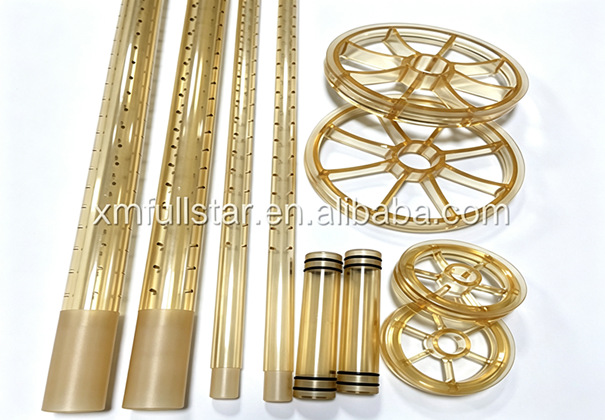
    Industrial water treatment systems face unprecedented performance demands in the year 2026. Global regulatory bodies have tightened standards for zero liquid discharge and industrial wastewater recycling across all major manufacturing sectors. Consequently, desalination plants, chemical facilities, and power generation stations must push their filtration systems to maximum operational capacity. Spiral-wound membrane elements serve as the primary defensive line against dissolved solids and hazardous contaminants in these systems. However, high-recovery operations expose internal structural components to extreme physical stresses and thermal loads. Engineering teams now recognize that catastrophic membrane failure often originates from the structural spine rather than the membrane sheath itself. Specifically, the central permeate tube must withstand immense mechanical loads, intense pressure differentials, and continuous chemical exposure. To address these vulnerabilities, engineering procurement teams increasingly partner with China Leading PSU Core Tube Suppliers to source high-performance structural components. These advanced polymer components ensure safe fluid transfer under high-flux conditions without risk of mechanical collapse. The entire mechanical efficiency of a modern reverse osmosis system depends directly on the durability of its core tube. Therefore, selecting the right polymer material has shifted from a routine purchasing decision to a critical engineering priority. Industry professionals must carefully evaluate the lifecycle costs of these essential components to prevent unexpected system shutdowns and expensive plant downtime. Similarly, hygienic food and dairy processing lines are placing comparable structural demands on membrane system components.     Structural Integrity Under Extreme Pressure: Eliminating Hydrostatic Creep in 8040 and 4040 Systems Modern industrial desalination plants frequently operate at exceptionally high hydraulic pressures to achieve high recovery rates. Industrial filtration processes, particularly in seawater purification, mining water treatment, and wastewater reclamation, require continuous pressures exceeding 70 to 80 bar. Under these extreme conditions, the internal components experience severe mechanical load from opposing fluid directions. Standard engineering plastics often suffer from a phenomenon known as hydrostatic creep under long-term exposure. This material fatigue causes gradual dimensional deformation, stretching, or flattening over extended operating periods. Even a tiny change in the outer diameter can compromise the critical O-ring seals of a membrane element. Consequently, raw water bypasses the membrane layer and pollutes the purified permeate stream immediately. High-molecular-weight polysulfone polymer provides an exceptional solution to this structural vulnerability. The robust molecular structure of polysulfone maintains rigid stability under continuous mec...
    View More
  • Why High-Purity PP Synthetic Paper Is Becoming the Industry Standard for Lead Frame Spacers in Semiconductor Packaging
    Sep 7,2026.

    Why High-Purity PP Synthetic Paper Is Becoming the Industry Standard for Lead Frame Spacers in Semiconductor Packaging

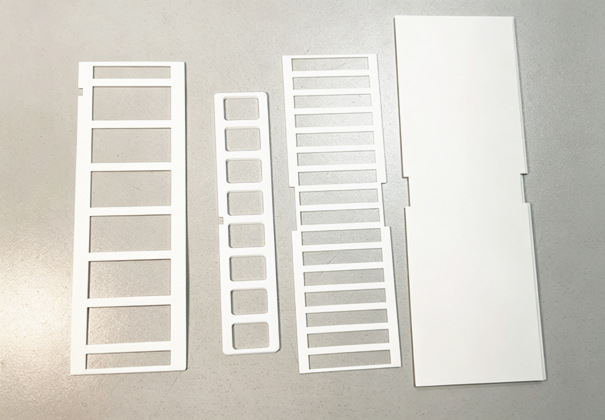
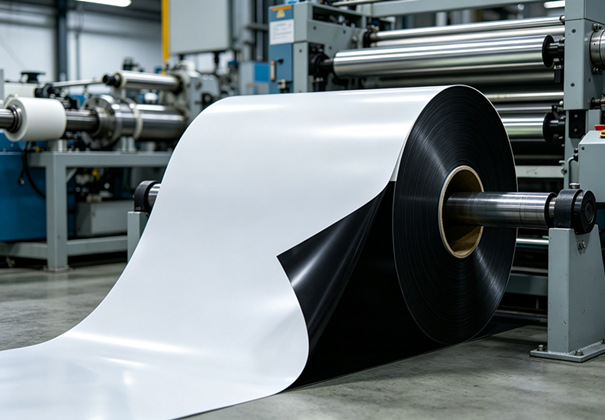
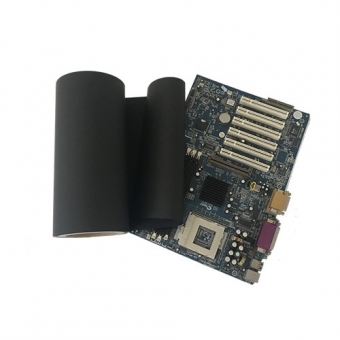
    In modern semiconductor packaging, back-end assembly facilities face severe challenges when managing micro-contamination and physical damage during shipping and storage. Even the smallest particle can disrupt wire bonding or damage fragile silicon dies, leading to costly yield losses. Therefore, manufacturing engineers are paying much closer attention to the protective materials that safeguard delicate integrated circuits before final encapsulation. While legacy packaging methods once relied on basic paper dividers to stack metallic structures, high-performance cleanrooms now demand advanced polymer alternatives. This shift explains why High-Purity PP Synthetic Paper is rapidly replacing standard wood-pulp products to protect valuable lead frames. These synthetic liners provide the physical isolation, cleanroom compatibility, and structural stability necessary to protect microelectronics during critical handling phases.     The Hidden Vulnerability: Why Traditional Fiber Spacers Fail Modern Lead Frames Historically, packaging lines utilized standard cellulose paper dividers to separate lead frames inside storage magazines. However, organic paper introduces several significant risks to sensitive electronic components. First, cellulose fibers easily rub off under friction, creating microscopic paper dust that settles onto lead frame pads. This contamination weakens the bond between the gold wire and the lead frame, which directly causes electrical connectivity failures. Second, natural paper acts like a sponge for environmental humidity, retaining water molecules that are highly difficult to remove. When these loaded papers enter thermal baking areas, the trapped moisture rapidly vaporizes and triggers outgassing. Consequently, moisture-induced oxidation quickly degrades silver or copper platings, rendering the components unusable. Finally, natural fibers exhibit irregular compressive properties, creating uneven pressure when operators stack lead frames. This mechanical imbalance can bend tiny metallic leads, destroying the planar alignment required for high-yield automatic wire bonding machines.   Zero-Particulate Engineering: The Molecular Advantage of Fullstar’s High-Purity PP To overcome these limitations, raw material science offers a far cleaner solution through advanced synthetic polypropylene chemistry. Polypropylene consists entirely of long-chain carbon and hydrogen atoms, which form a highly stable and solid polymer structure. Because this synthetic matrix does not contain loose fibers or organic binders, the material remains entirely dust-free even during heavy cutting and stamping operations. Indeed, Fullstar has spent decades refining the extrusion process to ensure that these polymer sheets retain zero loose particulates. The resulting synthetic spacer acts as an absolute barrier against airborne cleanroom dust. Furthermore, the material possesses complete chemical inertness, which prevents the migration of ionic...
    View More
  • Top 5 Questions to Ask Before Choosing a Certified Food Grade PP Sheet Supplier for Food Packaging
    Sep 3,2026.

    Top 5 Questions to Ask Before Choosing a Certified Food Grade PP Sheet Supplier for Food Packaging

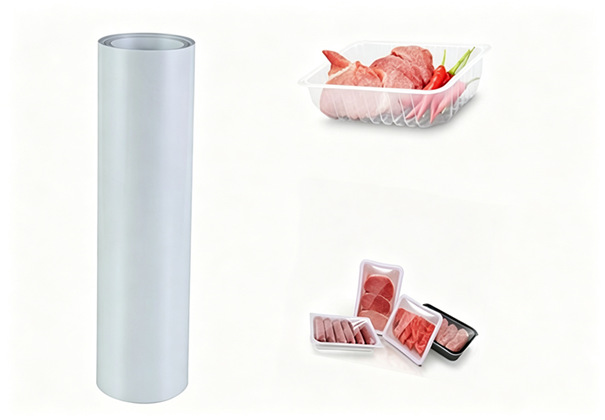
    Global food brands face extreme pressure regarding safety compliance. Regulatory agencies strictly monitor plastic packaging materials to prevent consumer health hazards. Microscopic chemical leaching remains a primary concern during long-distance transportation and extended storage. Therefore, packaging managers must select their material vendors with extreme care. Finding a reliable Certified Food Grade PP Sheet Supplier represents a critical step in protecting corporate reputation. Certified plastic sheets do not simply act as passive containers. Instead, these advanced materials provide an essential biological safety barrier. Procurement teams must establish rigorous auditing frameworks to evaluate potential global vendors. A scientific assessment model helps minimize supply chain disruption and guarantees total compliance with international laws. Consequently, brand owners can maintain absolute product purity from the processing floor to the supermarket shelf. Choosing the right partner removes regulatory uncertainties completely.     Question 1: Does the Vendor Guarantee 100% Virgin Resins to Prevent Hazardous Chemical Migration? Material purity forms the absolute foundation of food packaging safety. Unfortunately, some low-cost vendors blend post-consumer recycled plastics into their production lines. Recycled resins often contain volatile organic compounds, heavy metals, and harmful chemical residues from previous industrial uses. When exposed to heat during microwave heating or hot-filling, these dangerous substances easily migrate into food. To prevent these contamination risks, buyers must demand an absolute guarantee of one hundred percent virgin polypropylene resins. Furthermore, strict verification requires comprehensive testing protocols. Procurement agents should check both Overall Migration Limits and Specific Migration Limits. These scientific tests evaluate material safety under diverse temperature conditions. A trusted supplier always provides clear laboratory documentation to prove chemical inertness. Choosing pure virgin materials protects consumers and ensures compliance with global food safety initiatives. Therefore, material testing should be a non-negotiable part of the supplier selection process.   Question 2: How Transparent and Fully Traceable is the Supplier’s Batch Manufacturing History? Supply chain accountability represents another vital pillar of modern food safety management. If a contamination incident occurs, rapid tracking can save millions of dollars in recall costs. For this reason, international food brands require complete batch traceability from raw materials to final delivery. An audit team must evaluate how a vendor tracks polymer pellets throughout the extrusion process. Reliable suppliers assign distinct identification numbers to every single manufactured roll or sheet batch. Furthermore, global certifications serve as excellent proof of consistent production management. The BRC ...
    View More
  • The Complete Buyer's Guide to Reliable ED Membrane Stack Suppliers for Industrial Desalination Projects
    Aug 31,2026.

    The Complete Buyer's Guide to Reliable ED Membrane Stack Suppliers for Industrial Desalination Projects

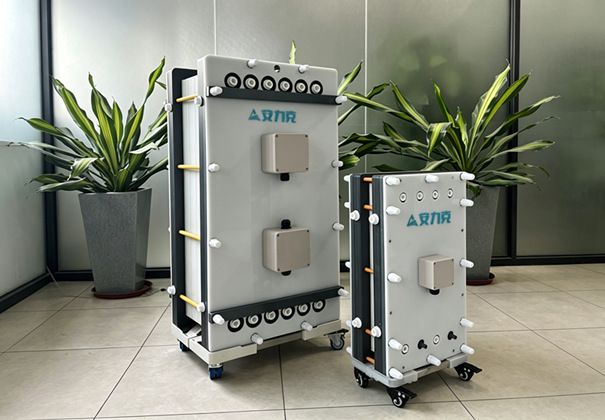
    The Complete Buyer's Guide to Reliable ED Membrane Stack Suppliers for Industrial Desalination Projects The High-Salinity Challenge: Demanding Electrochemical Precision in Industrial Zero-Liquid Discharge Projects Industrial wastewater management faces intense regulatory scrutiny across the globe in 2026. Heavy industries must implement reliable systems to achieve Zero-Liquid Discharge goals and protect local ecosystems. Traditional thermal evaporation systems demand massive capital expenditures and consume excessive amounts of fossil fuels. Similarly, standard reverse osmosis systems fail when handling highly saturated brine streams due to severe membrane fouling. To overcome these technological limitations, modern engineering firms increasingly utilize advanced electrodialysis and electrodialysis reversal technologies. These systems isolate specific ions using electrical currents and semi-permeable membranes. Consequently, industrial plants can concentrate brines efficiently while recovering valuable water resources for reuse. Selecting Reliable ED Membrane Stack Suppliers represents a critical milestone for any large-scale desalination project. A poorly constructed membrane stack increases operational expenses through frequent shutdowns and premature component failures. In contrast, a well-engineered separation system ensures continuous factory uptime and predictable power utilization. Project contractors must analyze several technical components before finalizing their equipment choices. The overall efficiency of a wastewater treatment plant depends directly on core electrochemical hardware. Therefore, technical procurement teams must establish objective verification metrics for global vendors. By focusing on proven performance metrics, companies can avoid costly procurement mistakes. Reliable suppliers provide extensive engineering data to support their design claims. This transparency allows contractors to build safer, more profitable infrastructure.     Maximizing Faradaic Efficiency: The Impact of Membrane Stack Architecture on Current Utilization Electrochemical performance determines the long-term economic viability of industrial desalination plants. Specifically, engineers evaluate Faradaic efficiency to determine how effectively electrical current drives ion separation. Inside a standard electrodialysis stack, an alternating series of anion and cation exchange membranes directs ion migration. However, poor internal geometry often causes significant potential drops across the individual cells. This electrical resistance converts valuable energy into waste heat instead of promoting desalted water production. Furthermore, severe concentration polarization can occur near the membrane surface during high-velocity operations. When the local ion concentration drops too low, the system experiences localized water splitting. This unwanted phenomenon generates hydrogen and hydroxyl ions, which rapidly alters the local pH balance....
    View More
  • ISO 9001 to BRC: What Certifications Matter When Sourcing High Quality Double Color HIPS Sheet Manufacturers
    Aug 26,2026.

    ISO 9001 to BRC: What Certifications Matter When Sourcing High Quality Double Color HIPS Sheet Manufacturers

    ISO 9001 to BRC: What Certifications Matter When Sourcing High Quality Double Color HIPS Sheet Manufacturers The Global Compliance Mandate: Why Certificates Dictate Operational Risk in Multi-Layer Sourcing   Global logistics and packaging procurement require immense operational discipline in 2026. Global brands must protect their product integrity and navigate complex regulatory landscapes across different continents. Standard administrative checks no longer suffice when evaluating international polymer suppliers. Instead, corporate auditors rely heavily on third-party certifications to filter out high-risk manufacturing partners. When procurement teams look for reliable polymer extrusion partners, they require verifiable proof of systematic manufacturing quality. Sourcing managers understand that identifying certified High Quality Double Color HIPS Sheet Manufacturers serves as the primary safeguard against upstream supply chain failures. If a manufacturer lacks standard certifications, the buyer faces elevated risks of material contamination, batch-to-batch variation, and sudden production stoppages. Therefore, certified facilities provide an objective benchmark for global trust. These third-party audits ensure that a factory maintains disciplined control over its raw material inputs, manufacturing environments, and final testing procedures. In the highly competitive packaging industry, operational risk translates directly into financial losses. A single shipment of defective plastic sheets can halt packaging lines for several days. Thus, procurement specialists prioritize suppliers who hold internationally recognized quality credentials. By standardizing these evaluation criteria, multi-national enterprises secure their distribution channels against unexpected disruption. Long-term commercial success requires zero compromises on material consistency and delivery timelines.     Decoupling ISO 9001: Translating Quality Management Systems into Co-Extrusion Interfacial Strength The ISO 9001 standard represents the absolute baseline for any professional manufacturing organization. However, procurement engineers must look beyond the certificate and understand how these guidelines apply to the physical extrusion process. In double-color HIPS production, the factory co-extrudes two distinct polymer layers through a shared feedblock. This process requires precise heat control and balanced pressure to achieve optimal interfacial adhesion. If the operator fails to manage these parameters, the two colors will delaminate during high-speed thermoforming. Delamination destroys the structural integrity of the packaging and creates costly scrap on the factory floor. To prevent this mechanical failure, an ISO 9001 quality system enforces strict, standardized operating procedures for every shift. For example, machine operators must monitor and record feedblock pressure profiles at regular intervals. This continuous monitoring prevents pressure spi...
    View More
1 2 3 ... 10

A total of 10pages

Leave a message
Leave a message
If you are interested in our products and want to know more details,please leave a message here,we will reply you as soon as we can.

Home

Products

News

contact