ISO 9001 to BRC: What Certifications Matter When Sourcing High Quality Double Color HIPS Sheet Manufacturers
Global logistics and packaging procurement require immense operational discipline in 2026. Global brands must protect their product integrity and navigate complex regulatory landscapes across different continents. Standard administrative checks no longer suffice when evaluating international polymer suppliers. Instead, corporate auditors rely heavily on third-party certifications to filter out high-risk manufacturing partners. When procurement teams look for reliable polymer extrusion partners, they require verifiable proof of systematic manufacturing quality. Sourcing managers understand that identifying certified High Quality Double Color HIPS Sheet Manufacturers serves as the primary safeguard against upstream supply chain failures. If a manufacturer lacks standard certifications, the buyer faces elevated risks of material contamination, batch-to-batch variation, and sudden production stoppages. Therefore, certified facilities provide an objective benchmark for global trust. These third-party audits ensure that a factory maintains disciplined control over its raw material inputs, manufacturing environments, and final testing procedures. In the highly competitive packaging industry, operational risk translates directly into financial losses. A single shipment of defective plastic sheets can halt packaging lines for several days. Thus, procurement specialists prioritize suppliers who hold internationally recognized quality credentials. By standardizing these evaluation criteria, multi-national enterprises secure their distribution channels against unexpected disruption. Long-term commercial success requires zero compromises on material consistency and delivery timelines.

The ISO 9001 standard represents the absolute baseline for any professional manufacturing organization. However, procurement engineers must look beyond the certificate and understand how these guidelines apply to the physical extrusion process. In double-color HIPS production, the factory co-extrudes two distinct polymer layers through a shared feedblock. This process requires precise heat control and balanced pressure to achieve optimal interfacial adhesion. If the operator fails to manage these parameters, the two colors will delaminate during high-speed thermoforming. Delamination destroys the structural integrity of the packaging and creates costly scrap on the factory floor. To prevent this mechanical failure, an ISO 9001 quality system enforces strict, standardized operating procedures for every shift. For example, machine operators must monitor and record feedblock pressure profiles at regular intervals. This continuous monitoring prevents pressure spikes that can disrupt the critical boundary layer between the two colors. Furthermore, the quality management system mandates regular calibration of temperature sensors across the extrusion die. Accurate temperature profiles ensure that both polymer melts possess matching viscosity when they merge. Consequently, the two layers bond securely at a molecular level, preventing any future separation during downstream processing. By demanding ISO 9001 compliance, buyers ensure that the manufacturer uses disciplined engineering methods rather than guesswork to run their production lines. This consistency yields superior material reliability for complex packaging designs.
For food and consumer goods packaging, the British Retail Consortium standard establishes the gold standard for safety and cleanliness. The BRC packaging standard imposes extremely strict requirements on raw material purity and contamination control. When manufacturing double-color sheets, factories often face temptations to utilize unverified recycled resins to lower costs. However, poor-quality regrind can introduce harmful volatile organic compounds and heavy metals into the final packaging material. These contaminants can migrate into the packaged food, causing severe health risks and legal liabilities. To secure BRC compliance, a manufacturer must implement a comprehensive traceability system. This tracking system documents the exact batch history of every raw material cargo entering the facility. Quality inspectors verify the certificates of analysis for both virgin polystyrene resins and coloring masterbatches. Additionally, the facility must establish a strict mass-balance protocol to control the exact ratio of internal regrind. This rigorous tracking ensures that only clean, uncontaminated materials enter the co-extrusion line. Furthermore, BRC-certified facilities maintain isolated cleanroom environments to prevent foreign particulate contamination during the extrusion process. By maintaining these strict hygienic barriers, suppliers ensure that the final sheets remain completely safe for sensitive food-contact applications. Consumers deserve packaging that protects both the food and their long-term well-being.
Aesthetic consistency represents a critical component of brand identity for global consumer goods manufacturers. When brands package their products, they require perfect color uniformity across millions of individual retail trays. In dual-layer extrusion, achieving consistent color presents a difficult technical challenge for standard extrusion shops. Minor variations in dye concentration or polymer processing temperatures can alter the final visual appearance. For instance, the colored outer layer might drift in shade between different production lots. To address this issue, high-level quality certifications mandate the use of automated color-matching technology. Advanced manufacturers utilize inline spectrophotometers to continuously monitor the color output during the extrusion process. These sophisticated instruments measure color variation using the standardized Delta E metric. If the color drift exceeds a very tight threshold, the system immediately alerts the operator to make adjustments. Additionally, the certified laboratory must perform standard light-box evaluations under diverse illumination sources. This testing ensures that the double-color sheets look identical under both retail store lighting and natural daylight. By implementing these rigorous colorimetric controls, certified manufacturers eliminate visual discrepancies before shipping the material. As a result, corporate buyers receive highly uniform packaging components that protect their visual brand equity in the market. Consistent aesthetics build stronger consumer trust over time.

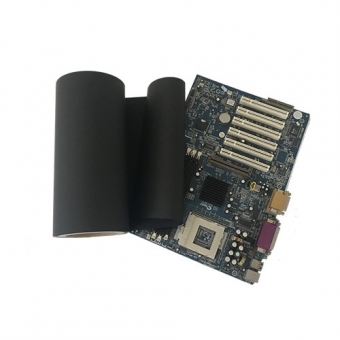
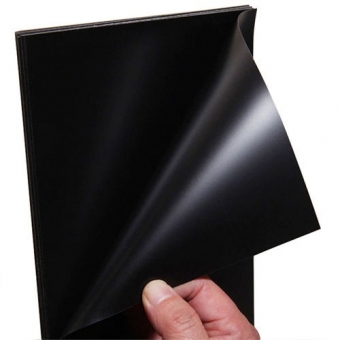
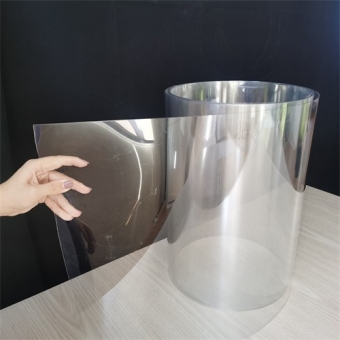
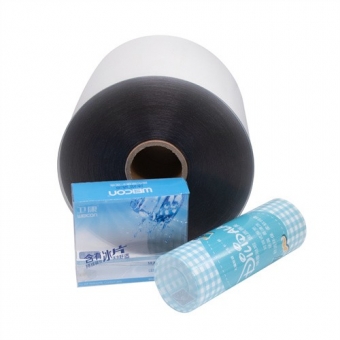
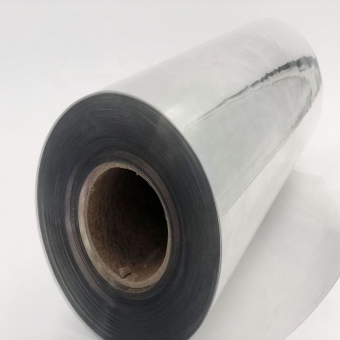
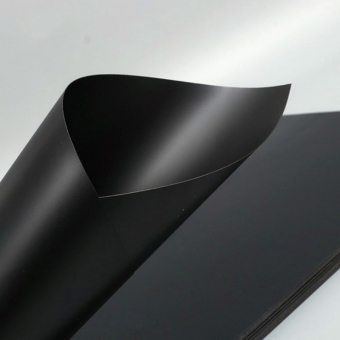
Bridging the gap between strict international standards and high-volume production requires a deeply committed industrial partner. In the global B2B packaging sector, Fullstar (Xiamen Fullstar Imp.&Exp.Trading Co.,Ltd.) serves as a premier manufacturer that combines certified quality systems with advanced polymer science. The enterprise strictly aligns its manufacturing workflows with global quality benchmarks to protect customer investments. The experienced engineering team at Fullstar understands how to translate quality regulations into tangible material performance. For high-end cosmetic and retail displays, the company offers extruded 0.5mm glossy HIPS/PS film sheet rolls in double colors. Their ISO 9001 production lines ensure that these ultra-thin films maintain exceptional surface gloss and thickness tolerances within microns. Furthermore, for the demanding food service sector, Xiamen Fullstar Imp.&Exp.Trading Co.,Ltd. designs high-performance, food-grade double color HIPS plastic sheet rolls for thermoforming. These food-safe materials undergo regular BRC-aligned chemical migration testing to ensure absolute safety. By utilizing advanced multi-layer extrusion systems, the technical team prevents layer delamination even during rapid, high-draw thermoforming processes. Global procurement managers can rely on their comprehensive testing data and complete material traceability. Through meticulous quality control, the global supplier helps clients reduce scrap rates and streamline their downstream packaging operations. By choosing a certified partner, companies reduce operational risk and achieve sustainable commercial growth.
Discover the complete range of technical double-color HIPS sheets and review their quality certifications on the official corporate website: https://www.fullstarxm.com/.
XIAMEN FULLSTAR IMP.& EXP. TRADING CO.,LTD.


 IPv6 network supported
 Scan to wechat :

 fullstar@xmfullstar.com
 en
en ru
ru es
es