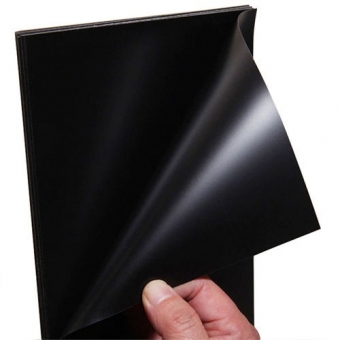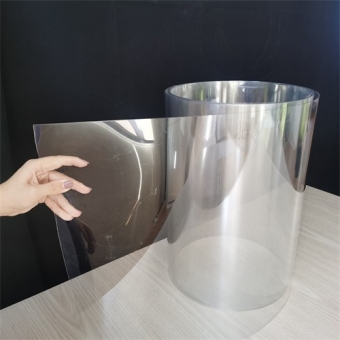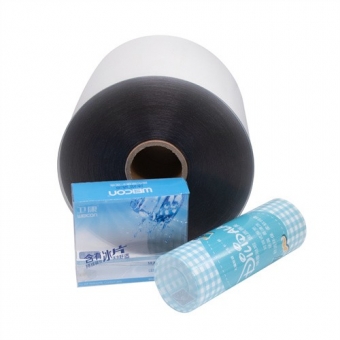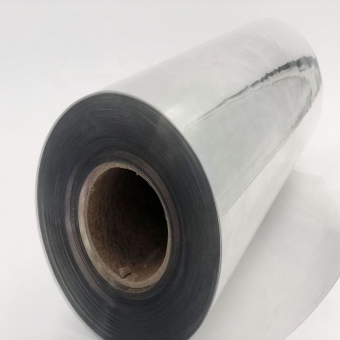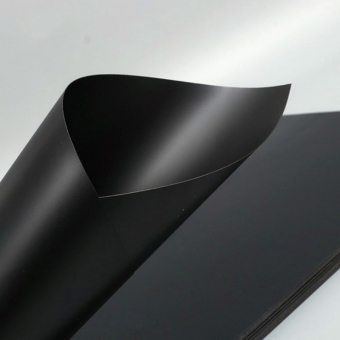
In modern semiconductor packaging, back-end assembly facilities face severe challenges when managing micro-contamination and physical damage during shipping and storage. Even the smallest particle can disrupt wire bonding or damage fragile silicon dies, leading to costly yield losses. Therefore, manufacturing engineers are paying much closer attention to the protective materials that safeguard delicate integrated circuits before final encapsulation. While legacy packaging methods once relied on basic paper dividers to stack metallic structures, high-performance cleanrooms now demand advanced polymer alternatives. This shift explains why High-Purity PP Synthetic Paper is rapidly replacing standard wood-pulp products to protect valuable lead frames. These synthetic liners provide the physical isolation, cleanroom compatibility, and structural stability necessary to protect microelectronics during critical handling phases.
The Hidden Vulnerability: Why Traditional Fiber Spacers Fail Modern Lead Frames
Historically, packaging lines utilized standard cellulose paper dividers to separate lead frames inside storage magazines. However, organic paper introduces several significant risks to sensitive electronic components. First, cellulose fibers easily rub off under friction, creating microscopic paper dust that settles onto lead frame pads. This contamination weakens the bond between the gold wire and the lead frame, which directly causes electrical connectivity failures. Second, natural paper acts like a sponge for environmental humidity, retaining water molecules that are highly difficult to remove. When these loaded papers enter thermal baking areas, the trapped moisture rapidly vaporizes and triggers outgassing. Consequently, moisture-induced oxidation quickly degrades silver or copper platings, rendering the components unusable. Finally, natural fibers exhibit irregular compressive properties, creating uneven pressure when operators stack lead frames. This mechanical imbalance can bend tiny metallic leads, destroying the planar alignment required for high-yield automatic wire bonding machines.
Zero-Particulate Engineering: The Molecular Advantage of Fullstar’s High-Purity PP
To overcome these limitations, raw material science offers a far cleaner solution through advanced synthetic polypropylene chemistry. Polypropylene consists entirely of long-chain carbon and hydrogen atoms, which form a highly stable and solid polymer structure. Because this synthetic matrix does not contain loose fibers or organic binders, the material remains entirely dust-free even during heavy cutting and stamping operations. Indeed, Fullstar has spent decades refining the extrusion process to ensure that these polymer sheets retain zero loose particulates. The resulting synthetic spacer acts as an absolute barrier against airborne cleanroom dust. Furthermore, the material possesses complete chemical inertness, which prevents the migration of ionic compounds or volatile additives onto the lead frame surfaces. This chemical stability ensures that copper and precious metal coatings remain clean and free from chemical staining. By eliminating both organic particulates and chemical reactions, high-purity synthetic liners reliably safeguard the electrical pathways of the semiconductor device throughout the packaging workflow.
Electrostatic Dissipation (ESD) and Micro-Surface Geometries
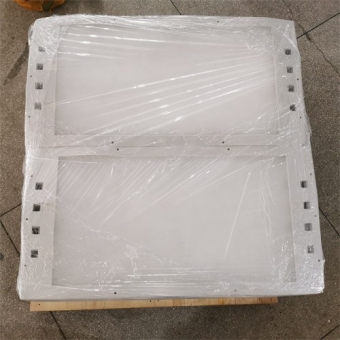
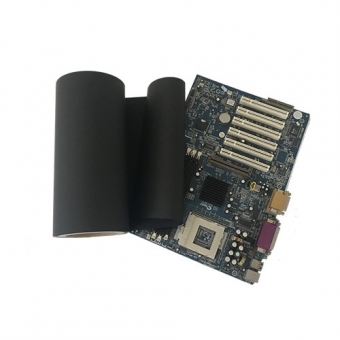
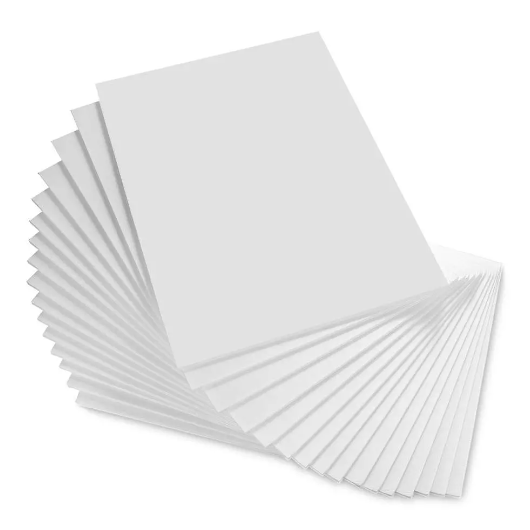
Managing static charges represents another critical requirement in the handling of semiconductor lead frames. Standard plastics generate high levels of static electricity through friction during automated handling, which can attract dust or cause electrostatic discharge. To eliminate this risk, Fullstar (Xiamen Fullstar Imp.&Exp.Trading Co.,Ltd.) manufactures specialized white sheets with permanent electrostatic dissipative (ESD) properties. These ESD synthetic liners safely bleed off static charges, preventing hazardous discharges that could harm sensitive integrated circuits. In addition to electrical control, physical surface contact requires meticulous design. Standard smooth plastic sheets often create a vacuum seal against flat metal surfaces, causing lead frames to stick together. To prevent this stiction issue, engineers developed a waterproof matte embossing synthetic paper that features a textured micro-topography. This matte, embossed surface reduces the physical contact area, allowing robotic arms to pick and place individual frames smoothly without dragging adjacent pieces. Additionally, the embossed pattern facilitates efficient airflow, preventing moisture entrapment and accelerating the pre-baking process.
Mitigating Tolerance Risks in High-Volume Automated Assembly
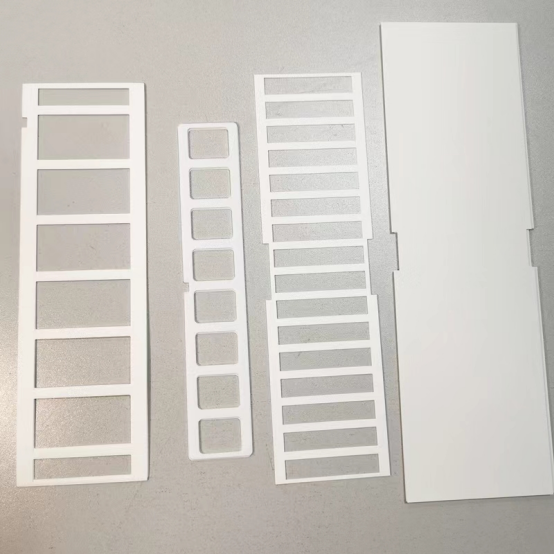
High-speed packaging lines operate with microsecond precision, requiring extremely tight physical tolerances for every component in the assembly. If a spacer sheet varies in thickness, automated magazines can jam, halting production and risking damage to the machinery. To address this, Xiamen Fullstar Imp.&Exp.Trading Co.,Ltd. utilizes advanced multi-layer extrusion lines that guarantee exceptionally uniform thickness across the entire sheet surface. This strict tolerance management enables automated machinery to stack, slide, and feed lead frames with complete consistency. Additionally, the material must strike a delicate balance between mechanical stiffness and flexibility. For instance, the popular 160g paper weight option provides the perfect structural stiffness to support heavy lead frame stacks without sagging. At the same time, the polymer remains soft enough to cushion delicate metal contacts, absorbing physical vibrations during long-distance transit without scratching the fine gold or silver plating.
Strategic Integration: Tailoring Fullstar Synthetic Solutions for Global Fabs
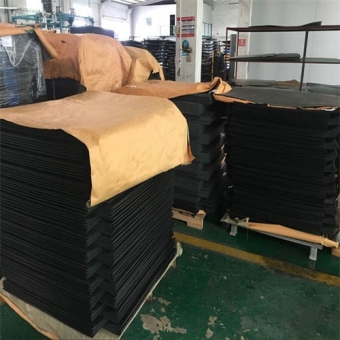
Integrating new materials into established semiconductor supply chains requires reliable manufacturing partners who understand the industry's zero-defect philosophy. Since beginning as a distributor of Nan Ya Plastics in 2003, Fullstar has evolved into a comprehensive manufacturer with robust testing and production capabilities. Today, the enterprise maintains modern, dust-free manufacturing facilities with four dedicated extrusion lines for PP and HIPS sheets alongside extensive quality inspection systems. To better serve global customers and secure stable international shipping channels, the company established an overseas factory in Malaysia in 2026. This global footprint ensures that global fabs receive consistent, high-purity synthetic spacers that comply fully with ISO 9001, RoHS, and REACH cleanroom standards. By offering custom dimensions, varying thickness levels, and precise ESD resistivity, the manufacturer delivers tailored solutions that seamlessly fit into any automated assembly line, providing reliable supply chain security.
Conclusion: The ROI of Upgrading to Polymer-Based Spacer Technology
Ultimately, upgrading from legacy fiber dividers to high-purity polypropylene synthetic paper represents a highly profitable investment for semiconductor manufacturers. While synthetic alternatives may require a slightly higher initial cost, they dramatically lower cleanroom contamination, reduce machine jams, and prevent lead frame oxidation. These operational improvements directly translate into higher packaging yields and fewer field failures. By preventing microscopic particulate contamination and static build-up, high-purity PP synthetic liners have officially become the industry standard for modern electronic assembly. For semiconductor engineers seeking to optimize packaging reliability, selecting certified, high-tolerance synthetic materials is a critical step toward achieving next-generation manufacturing goals. Discover more about advanced synthetic spacer solutions at https://www.fullstarxm.com/.
XIAMEN FULLSTAR IMP.& EXP. TRADING CO.,LTD.


 IPv6 network supported
 Scan to wechat :

 fullstar@xmfullstar.com
 en
en ru
ru es
es